Updated Snake Avoidance Training

Since discovering snake avoidance training twenty years ago, all my dogs have taken the training. I have written about it before, an incident this week gave me reason to write about it again.
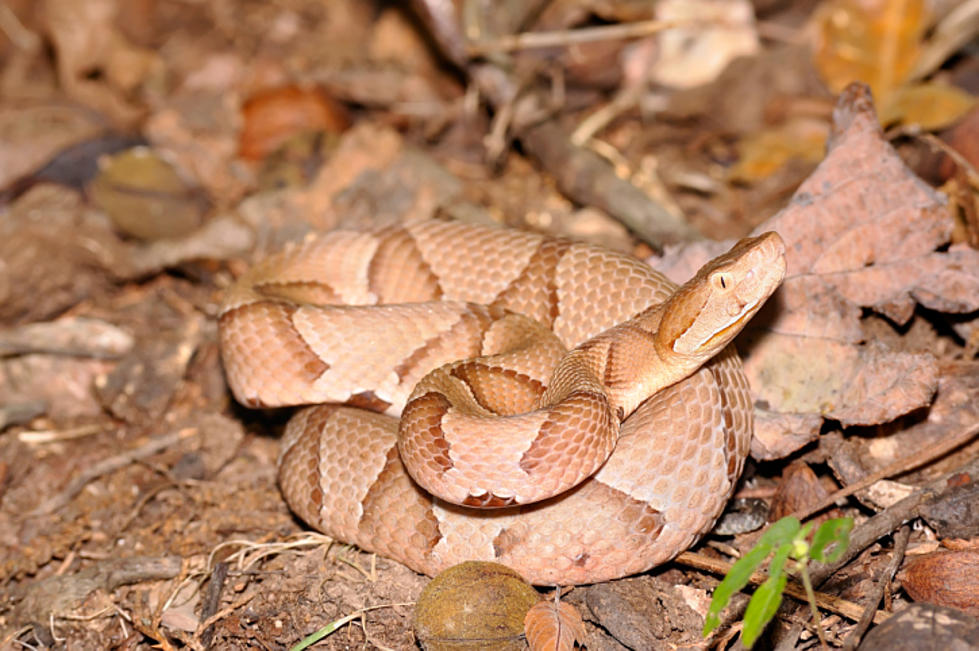
My yellow lab Becka and I were hiking through the woods near our campsite in Branson, MO. It was a sunny but windy fall afternoon. I let her off the leash to do what she was bred to do, which is to flush out birds. We were not hunting, just enjoying the outdoors. Becka picked up a smell and seemed alarmed. I had never seen her act this way before. She kept her eye on a patch of ground with a lot of leaves. When I stepped closer to the spot she was focused on, Becka growled a short warning. Curious, I scanned the ground for some time before spotting a slight movement, it was a Missouri Copperhead snake about three feet long. I remember what the snake avoidance team said to do. I hollered “snake” and backed away from the copperhead. Becka followed and I gave her a generous treat and much praise.
It had been two years since her snake avoidance training. I was not sure that the technique used by The Canine Center for Training and Behavior in Austin worked, but, apparently it did! In the past I had the training done by a hunting club near San Antonio. Becka’s new trainer was a young woman who knew what she was doing. She and her two assistants used a rubber snake, rather than real defanged snakes used by the hunting club. They also did not use a shock collar. I asked why? The trainer said shocking the dog at the time the snake struck was not necessary. I thought Becka would appreciate that. When I asked why they used a rubber snake rather than a defanged rattler, her concern was for the snake.
The hunting club used real rattlesnakes. Two handlers each with a long leash on the dog would walk the dog toward the defanged snake. When the dog got near the reptile, it would rattle its warning. At the exact moment the snake strikes the dog, the trainer would push the button on the shock collar. Usually sending the dog off the ground several inches letting out a loud yelp or two. Of course, most dog owners, which includes me, do not like to see their best friend hurt. Even though it is for their dog’s benefit.
The modern approach to snake avoidance training is for the owner to lead the dog to a rubber snake which has been exposed to the smell of a snake. I am not sure how that is done and will leave that to the professionals. One of the trainers has a fishing line tied to the rubber snake and shakes and pulls it toward the dog. The owner hollers “snake,” the trainer blows a loud air horn several times. Everyone shouts excitedly “snake” making a big commotion. We get safely away from the snake, then the dog is given praise and a generous treat. I had my doubts, but obviously the gentler snake avoidance training works as well as previous methods.
Click here for more information on snake proofing your dog.